Measles in Wisconsin: 431 cases this year, and where Racine County stands on MMR coverage
Wisconsin reports 431 measles cases across 13 counties. Racine County has no reported cases, while local MMR vaccination coverage improved to 92% in 2025-26.
RACINE, WI – Wisconsin has reached a 35-year high in measles cases. As of Nov. 3, 2026, the Wisconsin Department of Health Services (DHS) reported 431 measles cases in 13 counties. The outbreak has raised questions about vaccination and risk for children, pregnant women and immunocompromised people.
Measles is a highly contagious viral disease that can lead to serious health impacts. According to Dr. Margaret Hennessey, MD, the virus can remain in the air for up to two hours after an infected person leaves an area.
“Measles can cause life-threatening complications including pneumonia and swelling of the brain,” According to a DHS news release. “Although anyone can become seriously ill, children younger than 5 years old, pregnant women, and people with weakened immune systems are at increased risk of complications.”
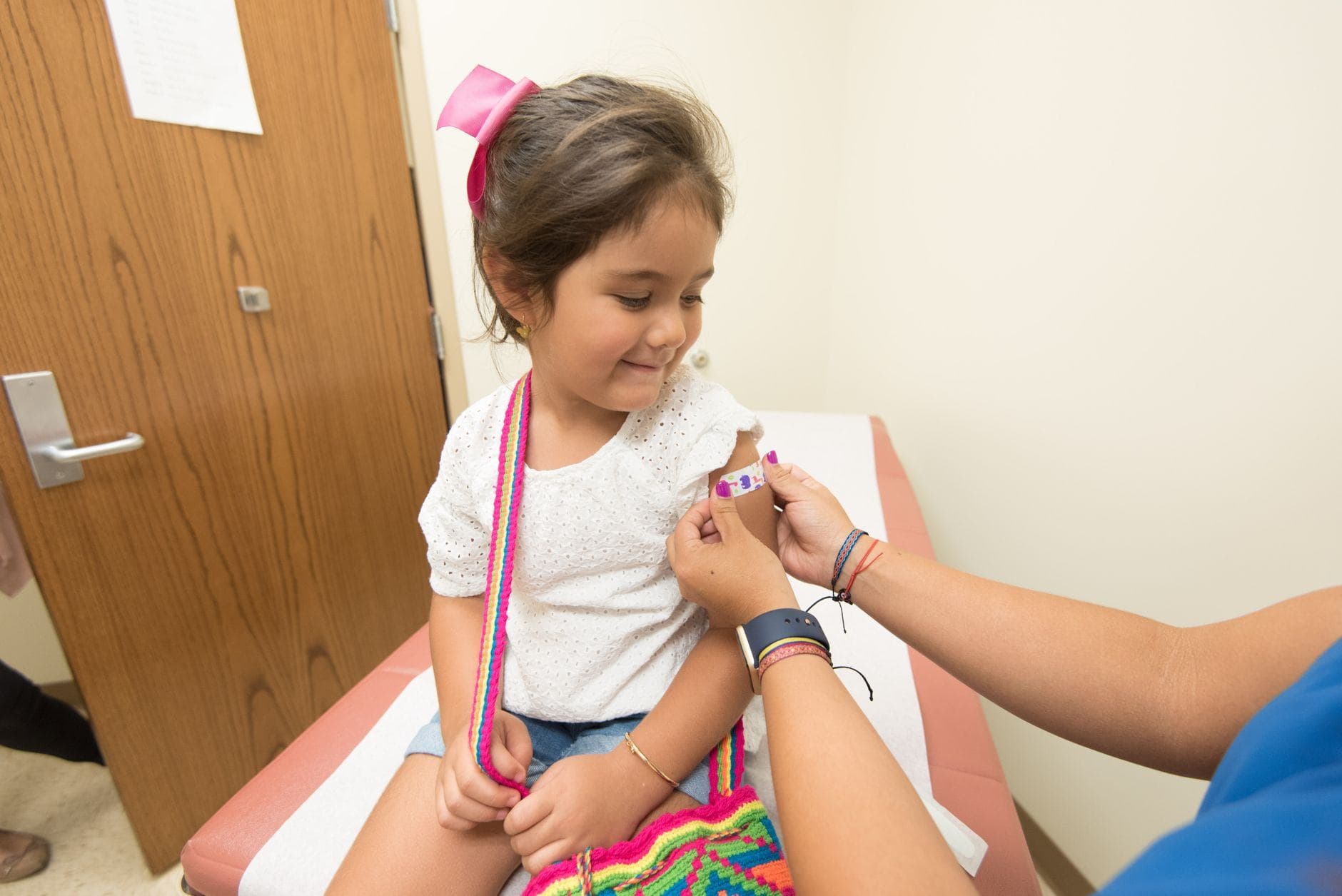
The measles, mumps and rubella (MMR) vaccine is the best way to prevent measles. Two doses are about 97% effective at preventing the disease, according to DHS. The vaccine has been available since 1971 and is recommended for children and for adults who have never had measles and were never vaccinated.
Anyone exposed to measles is advised to stay home. If a fever or rash develops, contact a health care provider before visiting a clinic or hospital.
Local cases
Jeffrey Langlieb, Racine County public health officer, said there have been no measles cases in Racine County to date.
“We remain on the ready in the event any exposures or cases arise. The best strategy right now is to make sure you and your children are up to date with the MMR vaccine,” Langlieb said.
DHS has reported outbreak activity in Grant, Iowa, Lafayette and Vernon counties, with Richland County also reporting a confirmed case linked to the outbreak.
Community Health Director Cody Pearce also stressed the importance of measles vaccination.
“As measles is one of the most contagious viruses known, the entire community relies on individuals being vaccinated to ensure all community members are protected,” Pearce said. “This is especially true for those who can’t be vaccinated due to age (infants) or underlying conditions, as well as those who are vaccinated but have weakened immune systems. Getting recommended vaccines, including the MMR vaccine, is an easy way to protect yourself and those around you.”
MMR vaccination rates in local school districts
For the 2025-26 school year, 92% of Racine County students met the two-dose MMR requirement — an improvement from the reported 84.9% in 2024-25.
There is a two-dose minimum requirement to be fully vaccinated against MMR. Public health experts generally cite 95% coverage as the threshold for herd immunity. The Racine County school districts that surpass that threshold are Union Grove, Waterford and Yorkville. The lowest reported district is Dover, at 83%.
“For 2025-26, the percentage of Wisconsin students that met the two-dose MMR requirement was 93%. Six of the 11 reporting Racine County districts were at or above the state percentage,” Langlieb said.
Parents can use the Wisconsin Immunization Registry (WIR), an online database that tracks vaccination records for children and adults in Wisconsin.
Where to get the MMR vaccine
The MMR vaccine is offered at public health departments, local pharmacies and health care clinics. This includes Ascension-All Saints Medical Group, Ascension All Saints Pediatrics, Aurora Health Care locations, Pillar Health Clinic, Children’s Wisconsin Hospital, CVS Pharmacy, Walgreens, Walmart and Lakeview Pharmacy.
The Racine County Public Health Department offers vaccines through its immunization clinic. This resource is available to those without health insurance or whose insurance does not cover all vaccines. Appointments can be made over the phone.
Advice from physicians
“Our recommendations have been the same for decades,” Dr. Margaret Hennessey, MD, said. “That is for children to get their first dose of MMR when they’re 12 months old and then another dose between 4 and 6 years of age. For people who are not up to date, we still recommend getting them caught up with vaccinations.”
Questions have been raised about whether adults and older children need to be vaccinated if they have already completed both doses. Hennessey addressed that concern.
“As long as you’ve been fully vaccinated, there is no reason to get another dose,” she said. “It is considered lifelong protection.”
Hennessey said the recent increase in measles cases is tied to lower vaccination levels.
“It’s quite disheartening. It’s a great vaccine,” Hennessey said. “Measles is so contagious. That’s what’s so scary about it.”
During an outbreak, vaccination and awareness are the best tools to prevent further spread.
How we reported this story:
Why we’re covering this: Wisconsin is reporting a sharp increase in measles cases, and Racine County residents need clear, local information on risk and MMR vaccination coverage.
References: Wisconsin Department of Health Services (DHS) news release and guidance; interviews with local health officials; Wisconsin Immunization Registry (WIR); Racine County Public Health immunization clinic information; prior Racine County Eye coverage of local MMR rates.
What we know (verified): DHS reported 431 measles cases in 13 counties as of Nov. 3, 2026. Racine County Public Health says there have been no measles cases in Racine County to date. Two doses of MMR are about 97% effective at preventing measles, according to DHS.
What we don’t know yet: Whether DHS will report additional counties; whether any exposure notices affect southeast Wisconsin.
What we’ll check next: If DHS adds counties or issues an exposure advisory affecting southeast Wisconsin, we’ll update this story the same day.
Send corrections/tips: Readers can send corrections or share official exposure notices or school letters by reaching out to [email protected].