

(NEW YORK) — Diesel prices hit a record high in the United States on Friday, jumping to an average of $5.85 a gallon as the Iran war choked global oil supply.
Gasoline prices also climbed on Friday, registering at an average of $4.14 a gallon, the highest price ever recorded at this time of year, AAA said.
High diesel prices push up transport costs for many everyday products, including groceries, clothes and furniture.
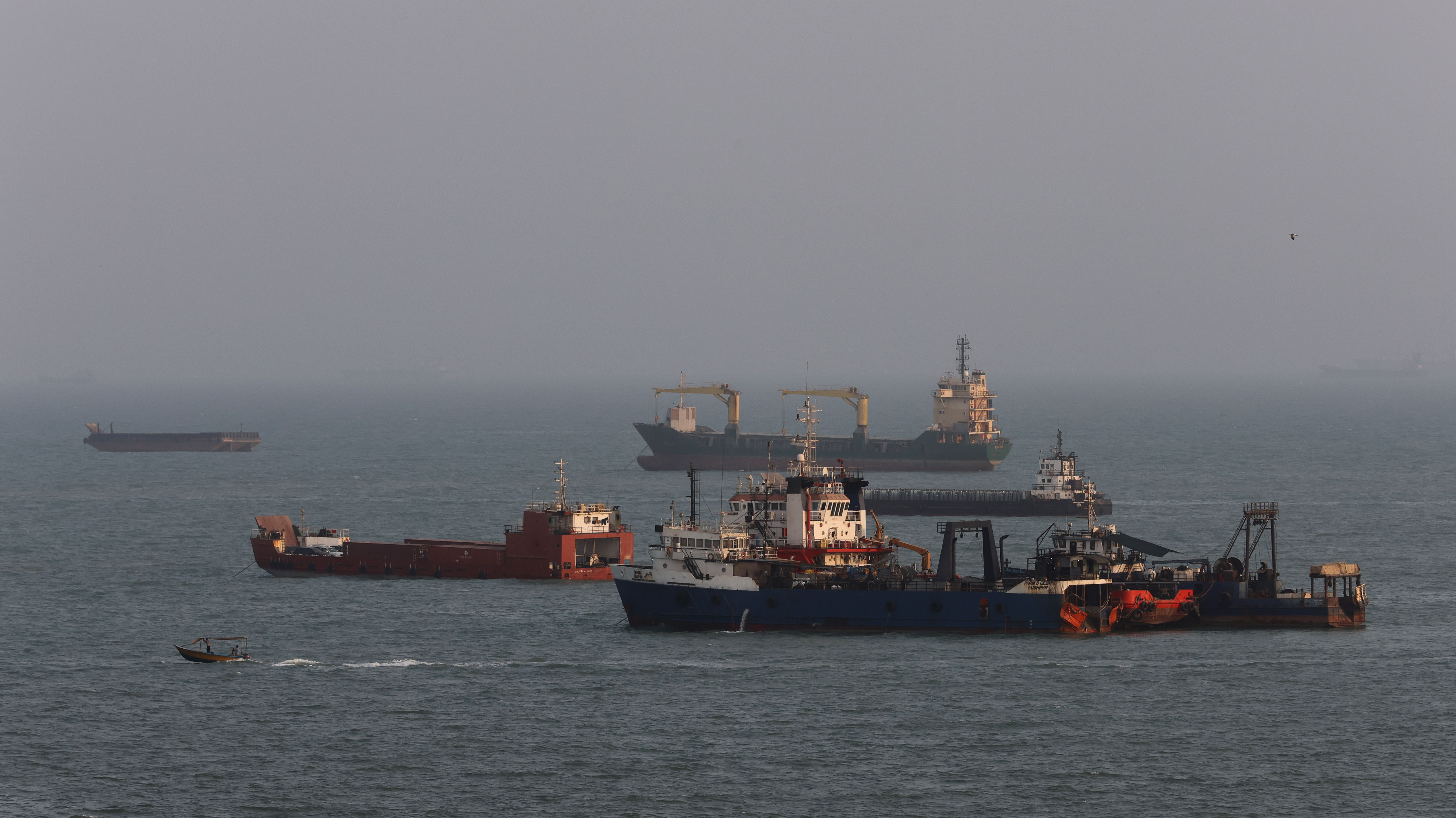
The average price of a gallon of diesel has soared 55% since the outbreak of the Iran war in late February set off a historic oil shock, AAA data showed. The conflict prompted Iran’s near-closure of the Strait of Hormuz, which facilitates one-fifth of global crude supply.
Since diesel is the lifeblood of the supply chain, a rise in fuel costs may result in higher prices charged by wholesalers in response to elevated transport expenses. In turn, retailers could pass those costs along to shoppers, raising prices on shelves.
The price hike for any individual item would likely be modest, but the pileup of extra costs across an array of goods could weigh on wallets, analysts previously told ABC News.
Global oil prices stood at about $94 a barrel on Friday, putting them well above a level of $72.50 before the war began. A resumption of fighting in recent days pushed prices higher as investors feared an escalation of the conflict, though prices eased slightly on Friday.
The rise in diesel costs threatens to worsen a bout of elevated inflation that continues to weigh on shoppers and nudge central bankers toward a possible interest rate hike.
The annual inflation rate stands at 3.4% as of July, the most recent month on record, putting inflation more than a percentage point above the Federal Reserve’s target rate of 2%.
Grocery prices fell slightly in July, according to the latest government data, marking a bright spot in the inflation report and cooling off from a surge in the spring. The previous uptick in grocery prices owed in part to elevated diesel costs, as well as droughts and other agricultural issues.
Costs ticked lower last month for cheese, salad dressing and candy, among other foods.
The relief for grocery prices included some notable exceptions, however. Increases remained elevated for some household staples like fruits and vegetables, beef, coffee, milk and rice.
The combination of elevated inflation and a fairly resilient labor market has raised the chances of an interest rate hike at the Fed’s meeting later this month, financial markets show.
Investors peg the odds of a quarter-point rate hike on Sept. 16 at about 62%, according to the CME Group’s FedWatch Tool, a measure of market sentiment.
Fed Chair Kevin Warsh, who took the helm of the central bank in May, said in recent days that it should prioritize fighting inflation.
“Inflation is running above our 2% target so the Fed’s predominant focus right now should be on prices,” Warsh said in remarks last week at the Fed’s annual summer gathering in Jackson Hole, Wyoming.
“If the Fed gets inflation wrong and judges the economy wrong, who gets the worst of it? Not the financial high-fliers. Hard-working Americans are the ones left to deal with inflation that is too high or jobs that suddenly appear less secure,” Warsh added.
Copyright © 2026, ABC Audio. All rights reserved.