

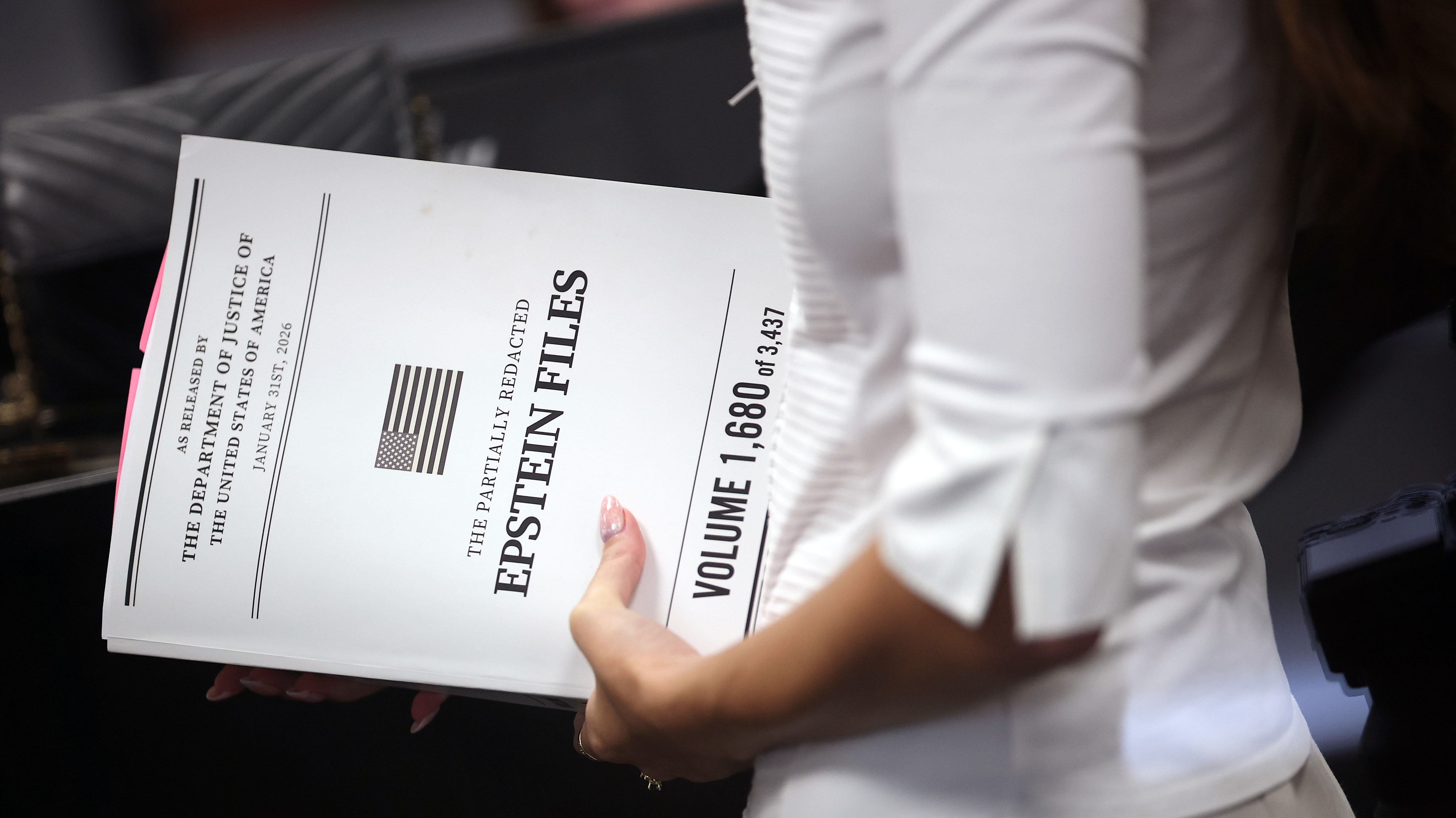
(WASHINGTON) — A federal judge on Thursday is set to press lawyers with the Department of Justice to explain why some materials from the Epstein files were withheld from the public.
U.S. District Judge Emmet Sullivan scheduled the hearing in a lawsuit filed by an independent journalist who sued over what she alleged were improper redactions and withheld materials from the files on Jeffrey Epstein, the late convicted sex offender.
In June, Sullivan concluded that the redactions and withheld materials violated the Epstein Files Transparency Act. He ordered the DOJ to either turn over the materials or explain why the materials needed to be withheld.
“The Attorney General has conceded that he is in violation of the Act,” Sullivan wrote in his ruling.
In recent weeks, the DOJ has sought to justify the redactions, rather than turn over the materials. Unsatisfied with some of those reasons, Judge Sullivan set Thursday’s hearing to press DOJ lawyers about the release of the Epstein files.
Specifically, the judge said the DOJ has not provided documentation to prove that redactions were made to some files because “[lawyers for] victims or potential victims … have contacted the government and requested that the persons be treated as victims.”
He also raised concerns that the DOJ withheld handwritten notes from an interview with a woman who made unsubstantiated allegations against President Donald Trump, who has denied any wrongdoing.
The DOJ has argued that the handwritten notes are “substantially similar to” the FBI reports of the interviews that were publicly released, and that the notes risk exposing victim information. However, Sullivan noted the Epstein Files Transparency Act does not have an exception for “substantially similar” or duplicative documents, and that the DOJ has released similar versions of other documents.
“The Defendant shall be prepared to explain why the handwritten notes cannot be redacted manually, or why the redactions cannot be accomplished in another way,” Sullivan wrote.
The DOJ has argued that all the redactions were lawful and asked to delay the case for two months.
“The Department has not knowingly violated, nor has it ever acknowledged violating, the EFTA as it continues working to comply with statutory requirements,” DOJ lawyers argued in a court filing.
Copyright © 2026, ABC Audio. All rights reserved.