

Swing Voters
We like to think that elections are broadly focused affairs, where candidates speak to all voters about their plans if elected to office.
But the reality is that we are so split…and so dug in…that the elections these days are decided by a narrow group of people, who may only be paying limited attention.
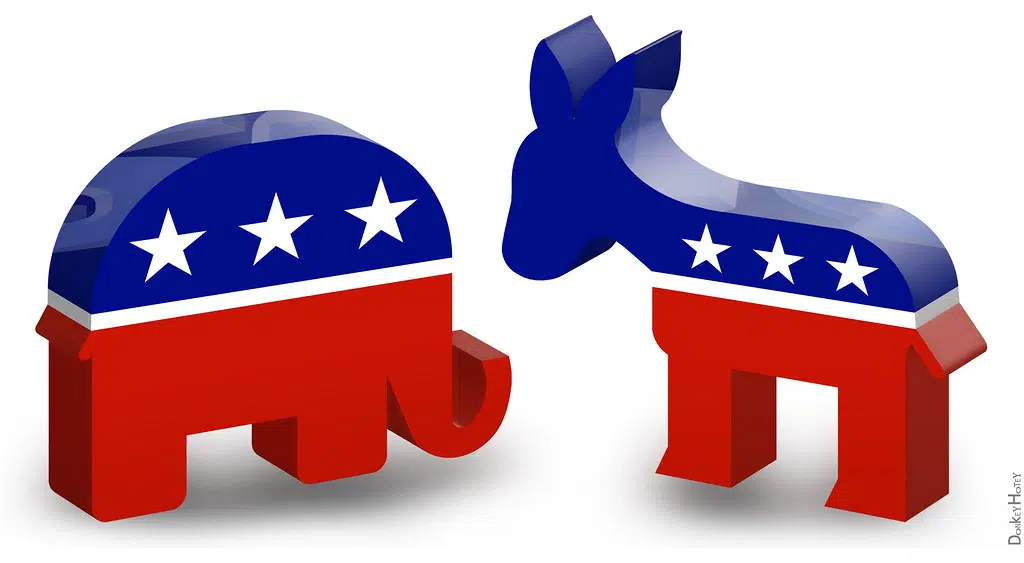
Scott Rasmussen has tracked political preference for Napolitan News on a monthly basis, asking those surveyed if they were Democrats or Republicans. Lumping together those who declared partisanship, or said they were leaning one way, it’s been virtually a dead heat for the past year.
In that time, in only one month—April of 2025—did Democrats hold an advantage over Republicans, and that was by a mere percentage point. And it’s not like Republicans are running away with it either. While the GOP held a 5 percent preference advantage in March of last year, it’s only been a 1 or 2 percent margin virtually every other month.
Now consider that the margin of error is plus-or-minus 1.2 percentage points. That means that essentially, it’s been a dead even split for virtually a year.
On top of that, the numbers typically look like 45 percent Republican, 43 percent Democrat…neither is anywhere close to a majority, leaving about 10 percent of the voting population undeclared.
Non-partisan identifiers are more likely to skip voting, which makes them as a bloc even harder to predict—no partisan preference, and less reliable voting record.
So what’s the game plan if you are running for office? Solidify your base to avoid erosion, then hammer home a message that works for the non-partisan bloc, the ones who will tip the scale come November. Of course, the other side will do the same thing. My guess is that we’ll be treated to lots of doom-and-gloom messages in the general election, to scare the unreliable voters into showing up to prevent a catastrophe from happening—namely, the other side winning.
Hardly an elevated discussion of issues…but these days, winning elections has little to do with issues.