

Price Rollback
As you pick up snacks for Sunday’s big football game, you might feel like a quarterback who just got sacked by a linebacker…the prices for this stuff has gone up a lot in the past few years, and the bags are smaller for that increased price.
Sales have slumped and consumers have complained. So Pepsico announced a price rollback yesterday by up to 15 percent on brands it owns, such as Lay’s, Doritos, Cheetos, and Tostitos. That means a so-called “party size” bag of potato chips that has been going for $5.50 will now drop to around $4.75. Still much higher than in the past, and I don’t know what kind of “party” they think you can serve with that bag, now that they’ve reduced the number of chips per bag.
PepsiCo can afford this; their stock shares are up more than 13 percent year to date.
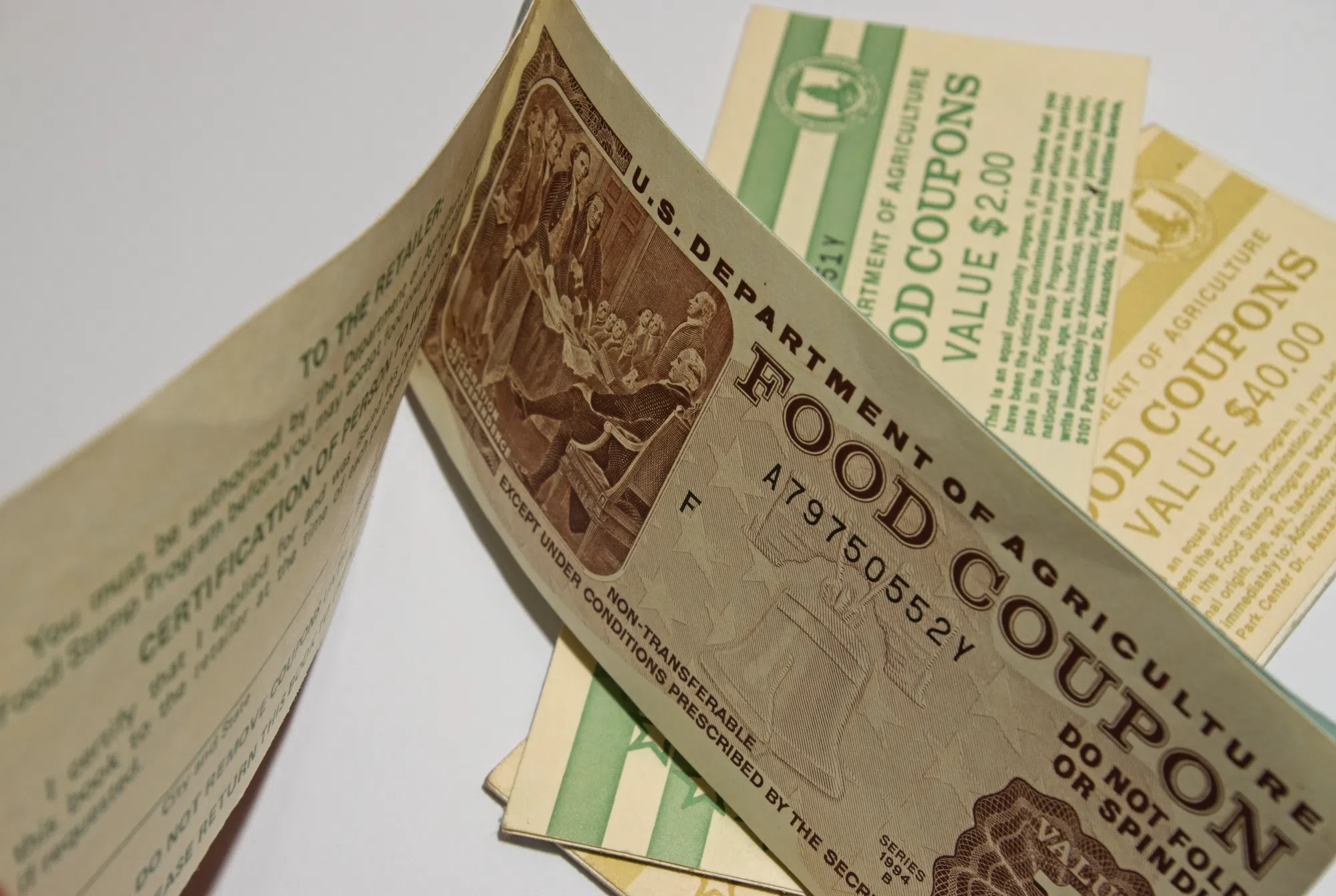
But there’s another reason sales are slumping. These products are no longer eligible for SNAP benefits, what we used to call food stamps. I noticed this just after the first of the year when I was grocery shopping. One Iowa-based chain had small signs with a SNAP logo on certain shelves, pointing out that the item no longer qualified for SNAP. That was smart, to avoid a hassle at the checkout line later.
It also led me to take a second look at what I was buying. If the snacks and soda pop no longer qualified for SNAP, maybe I should reconsider my purchase as well in this “Make America Healthy Again” era.
So when government-subsidized programs like SNAP no longer provide payment for the goods, and sales drop…the company drops the price of the product. As commentator Lauren Chen noted on social media, perhaps we should try that same approach to other things that cost too much—like college education and health care. With the government providing so much money to prop up those systems, they have no incentive to keep costs down, because as we’ve discussed before, the government will just provide more revenue to them through crippling student loan debt to individuals, and health care subsidies.
Another example of how a free market capitalistic economy works…when government isn’t trying to influence outcomes.