

A Quarter-Century Ago
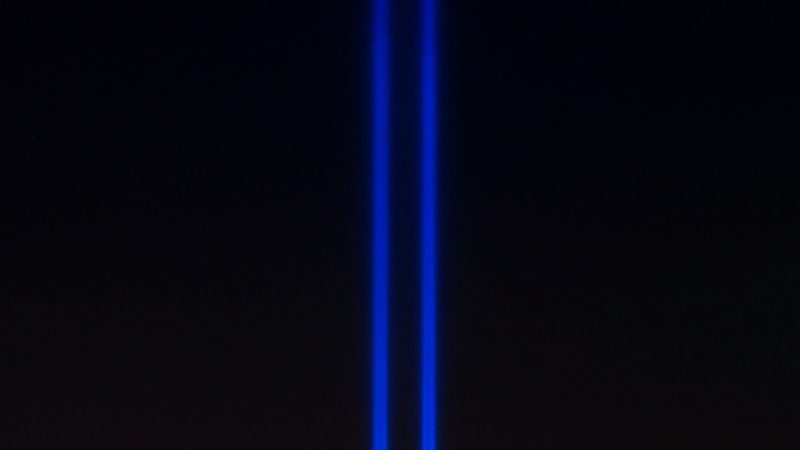
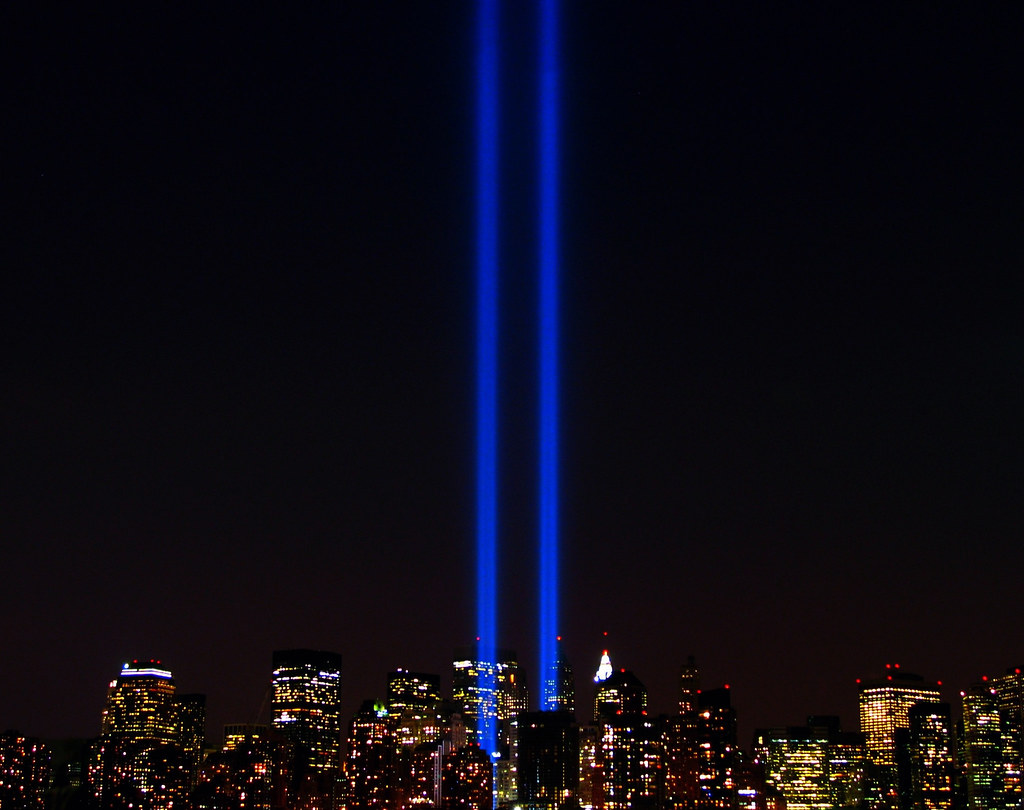
For many of us, the images of Tuesday, Sept. 11, 2001 are etched in our minds. We might recall the images of planes hitting buildings, of buildings collapsing, of people at street level running for their lives, or in a horrifying way, of people choosing to die by jumping out the window of one of the towers instead of being burned alive.
But for an increasing number of us, those memories are not first-hand. That’s why phrases like “Never Forget” are important.
There are roughly 343 million people in the U.S. today. Some 30 percent of those—more than 100 million—were not even born when this date came 25 years ago. Factor in those who were alive but too young to have recollection, and it’s easy to say 40 percent of the American population has no recollection of the day America was attacked.
I was alive with President Kennedy was assassinated, but barely; however, I learned of the impact of that event as I was growing up. Today’s young people—the nearly 40 percent of the population—are living in a world shaped by 9/11, but how good a job are we doing at teaching them about the event and its impact.
Probably the most similar event in our nation’s history to 9/11 was the attack on Pearl Harbor 60 years before. I don’t hear anyone today trying to justify that attack or excuse the actions of those who caused it.
Yet today, there are some in this country, many making public statements on the matter, who sympathize with the motives of those who undertook the attack, or of those who were seen in the streets around the world cheering.
2,977 innocent people lost their lives that morning 25 years ago. There is no sympathizing with those who caused that. There is no way to say those innocent people deserved what happened.
Context matters. Accuracy matters. And nearly half our population needs to know the truth about that terrible day.