

A New Day…Like The Old Day
My first job in radio was as a teenager at KFJB in Marshalltown. Back then, before computers, if the station was on the air, it was because a human was sitting there. The station was therefore not on 24 hours a day; in fact, it did not come on until 8 a.m. on Sundays. On Sunday morning, July 27, 1980, after only a couple months on the job, I was turning the station on and preparing to play a reel-to-reel tape of a religious program. I pulled the news from the UPI wire and saw the stark bulletin; it read, “The Shah of Iran is dead.”
This was at the height of the American hostage crisis. The Shah fell from power in part because of failing health due to cancer. He received treatment in this country after leaving Iran, but that led to protests and may well have led to the taking of the hostages themselves. He was 60 years of age.
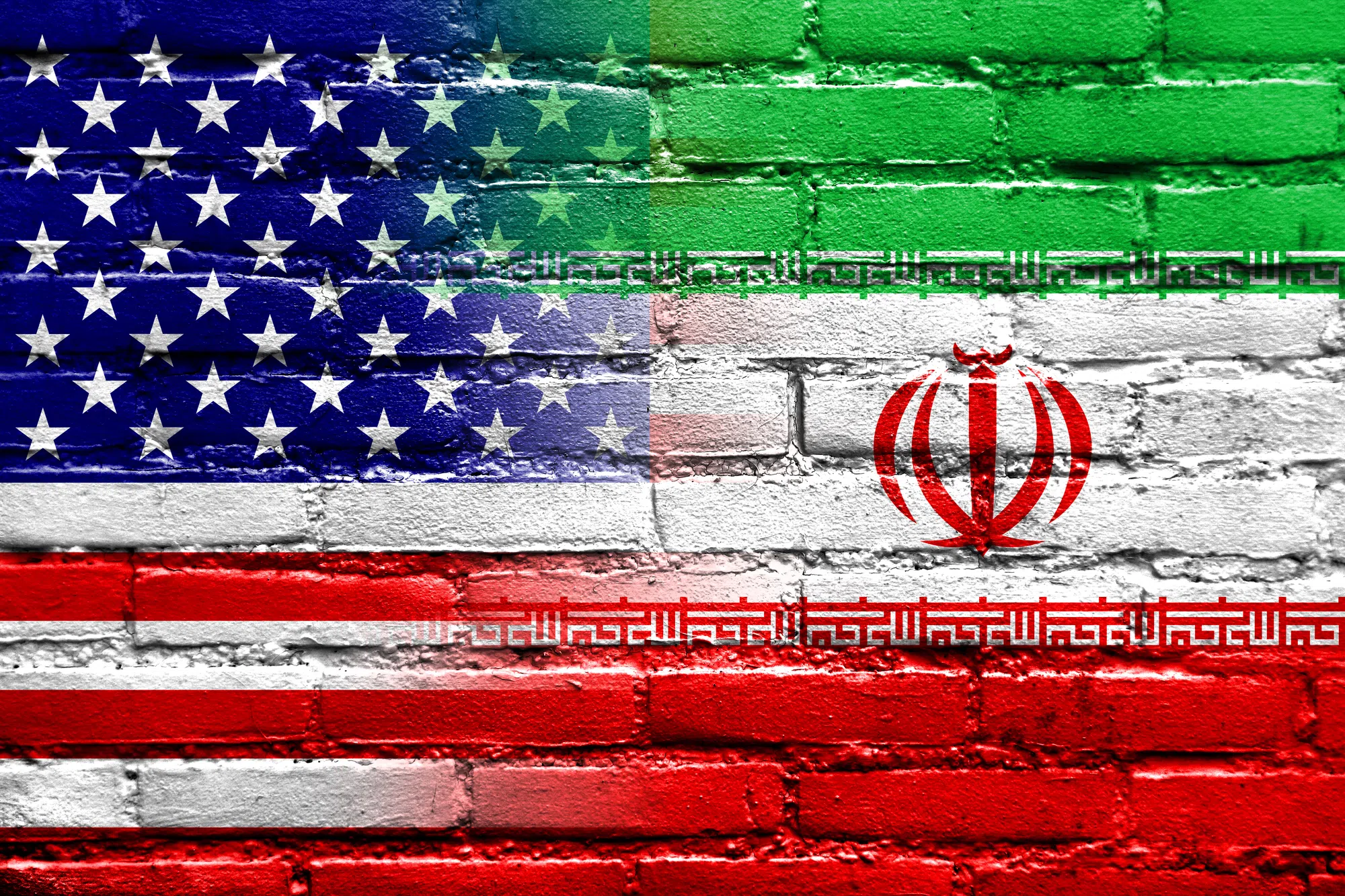
Now, 47 years after the Shah was removed and the Islamic government dissolved the monarchy, Iran is on the cusp of change for the first time in more than two generations.
But recall why the Shah was removed; despite great economic prosperity, dissension was violently curtailed. The people tossed the Shah aside, and got something appreciably worse. What’s next?
The monarchical heir, the son of the Shah, has consistently maintained a high profile and has offered himself as a transitional leader. But how much do today’s citizens respect that claim, especially since the monarchy itself was only formed in the 1920s. It’s far too simplistic to assume that the citizens are able to create their own government akin to American democracy, or that those who had been in power—the ones who have survived the weekend attacks—are willing to give up.
The U.S. government appears clear-headed—they say they’re giving the Iranian people a chance to control their own destiny, and if the successor government falls short, America will take similar action. That won’t sit well in lots of places, but given the initial support for Operation Epic Fury, there’s a chance for real change in the region.
But again, this new day may wind up being a lot like the old day.